U.S.-Based Cleanroom & Lab Consumables for Bulk and Institutional Procurement. IEST Member • SAM Registered • Reliable Supply for Laboratories, Manufacturers & Government Buyers. FREE shipping within the continental U.S. | Worldwide shipping available. Custom wipes, swabs, mats, test kits, bulk orders & distributor inquiries: sales@aawipes.com
Precision ESD-Safe Cleaning Solutions for Electronics & Semiconductor Manufacturing
Cleanroom Wipes for Electronics & PCB Manufacturing
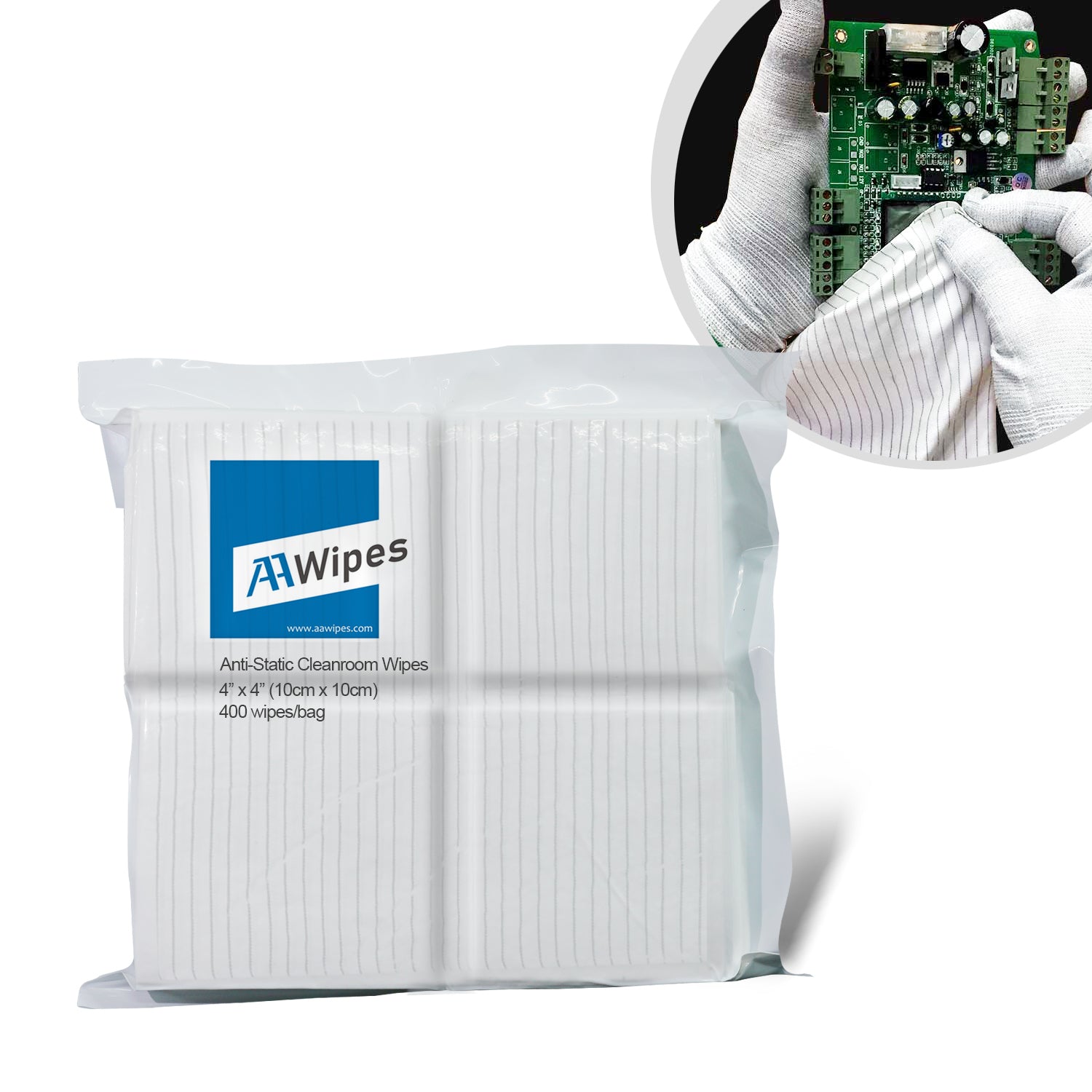
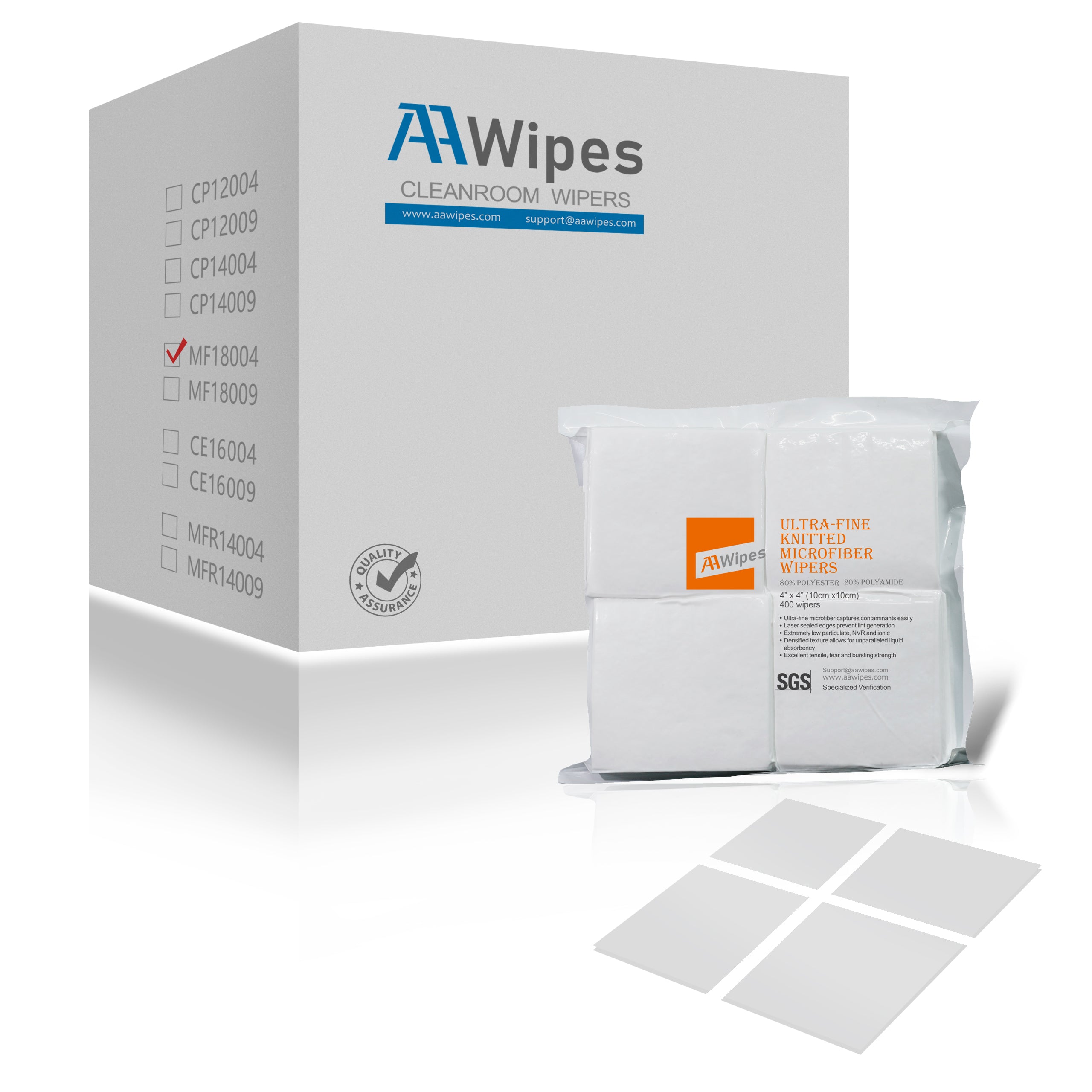
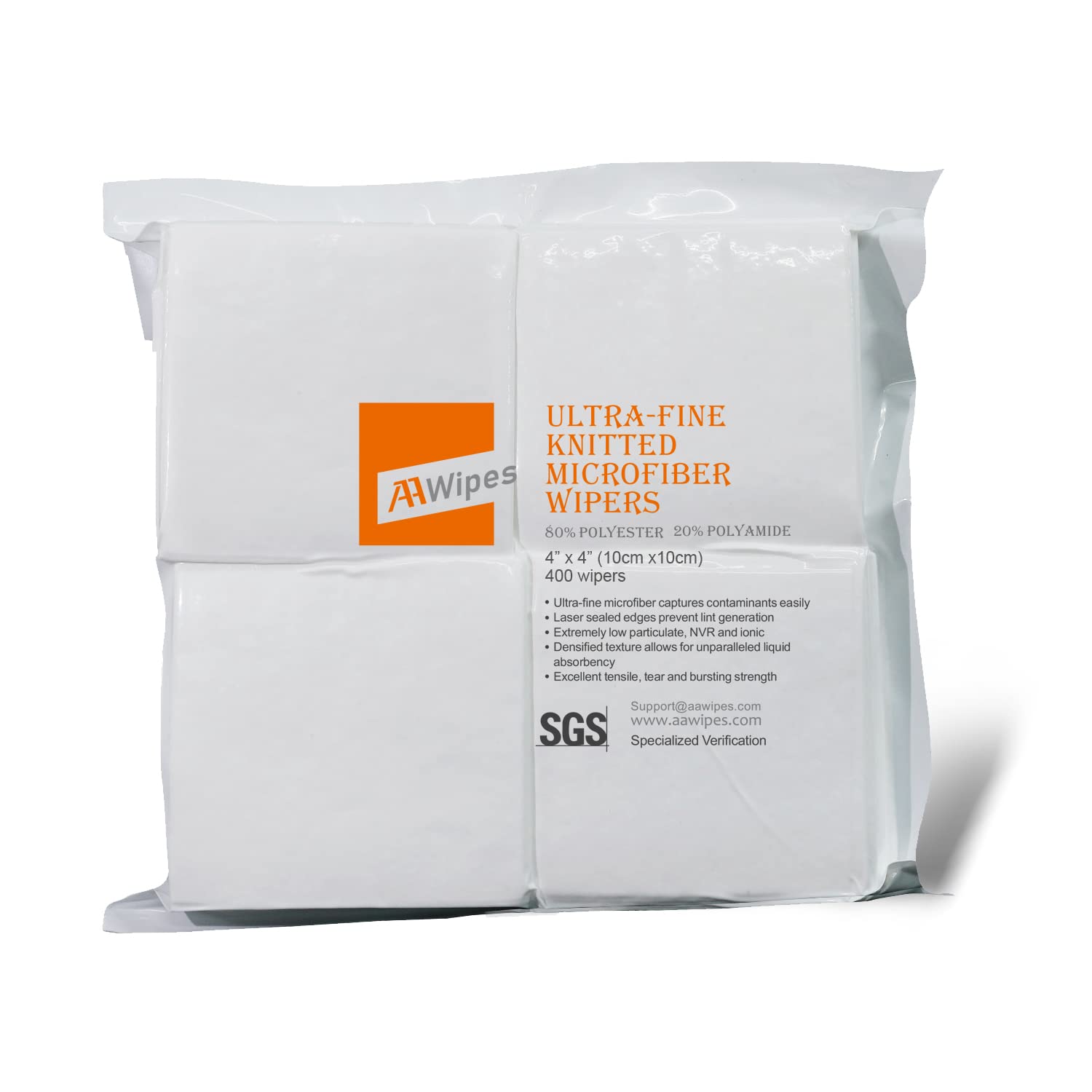
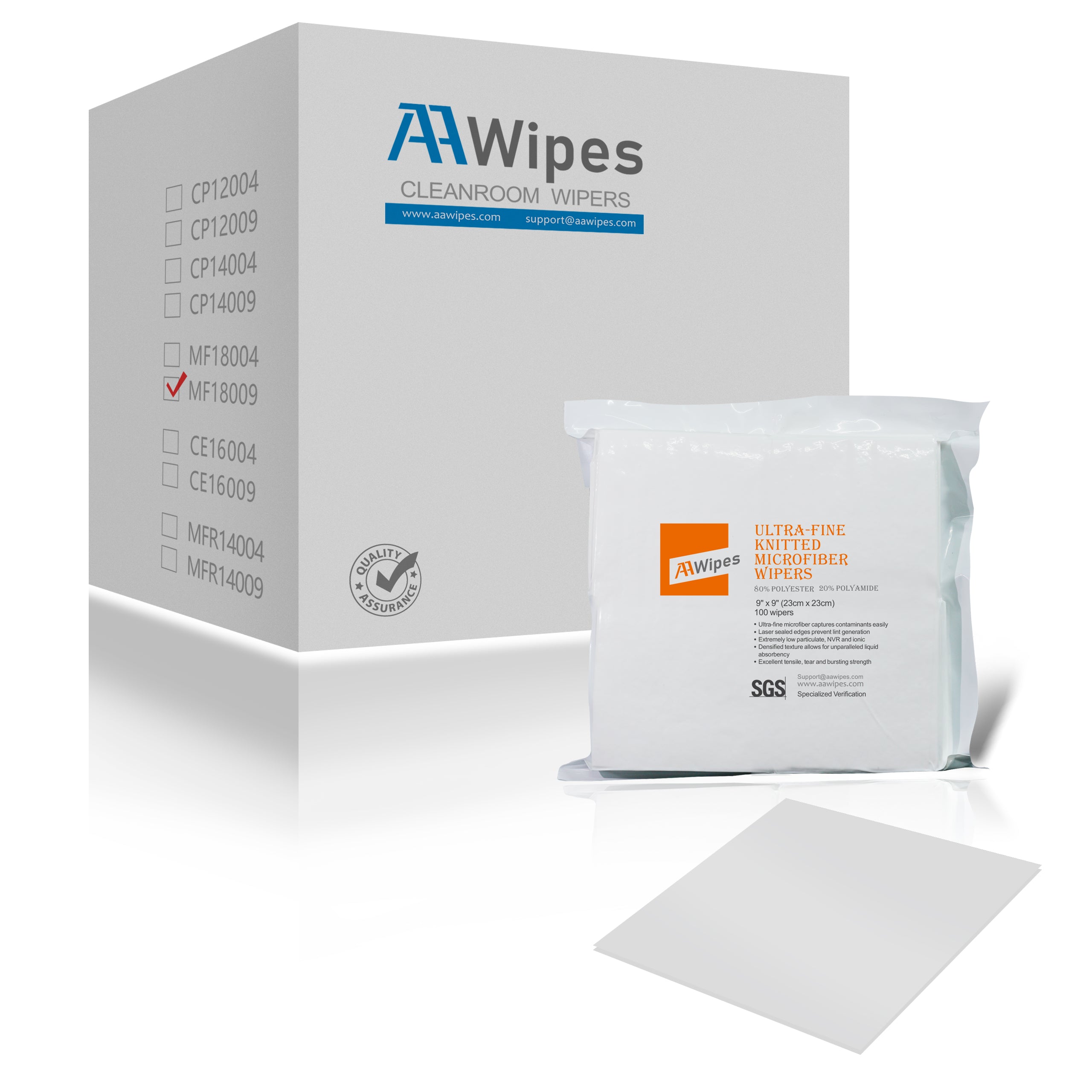
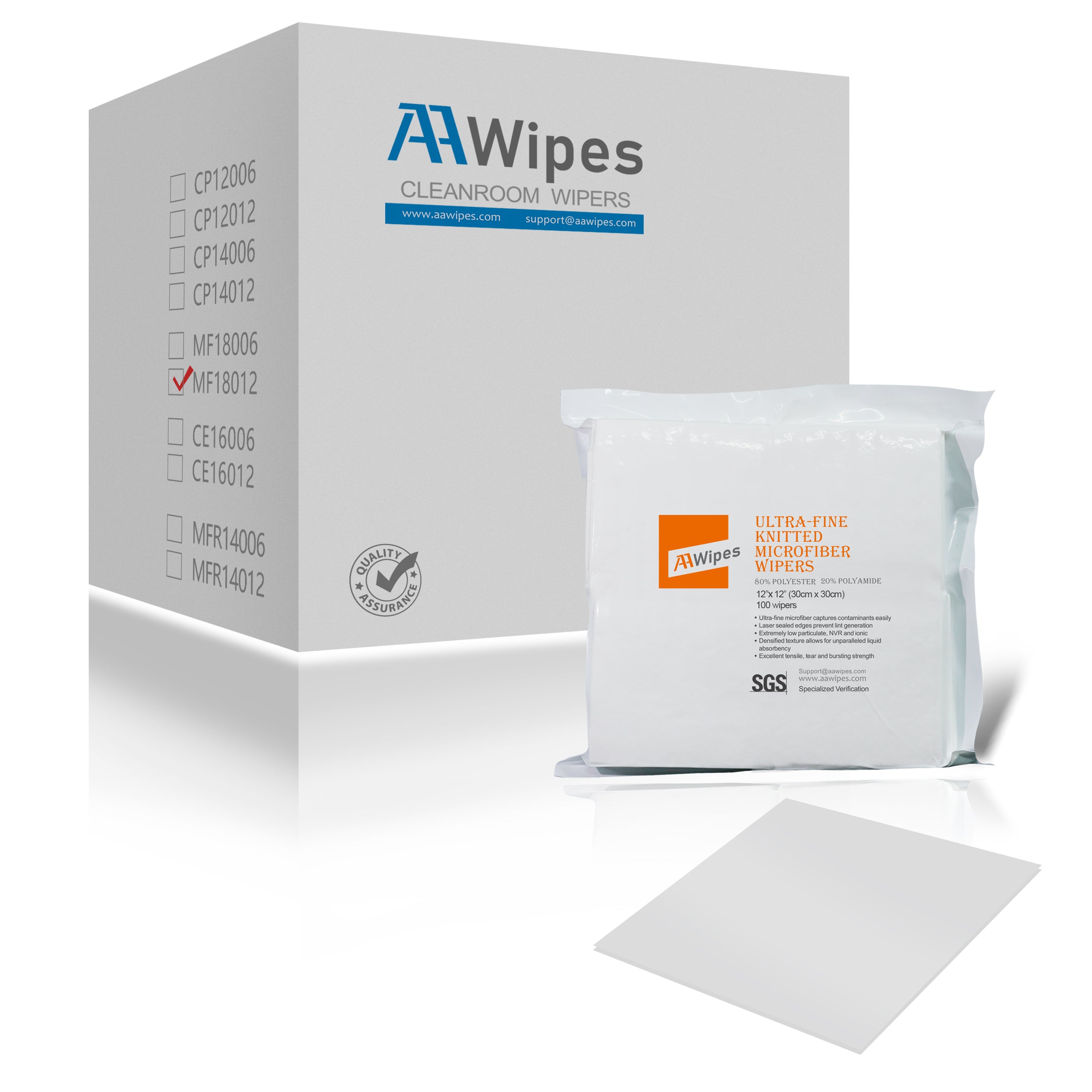
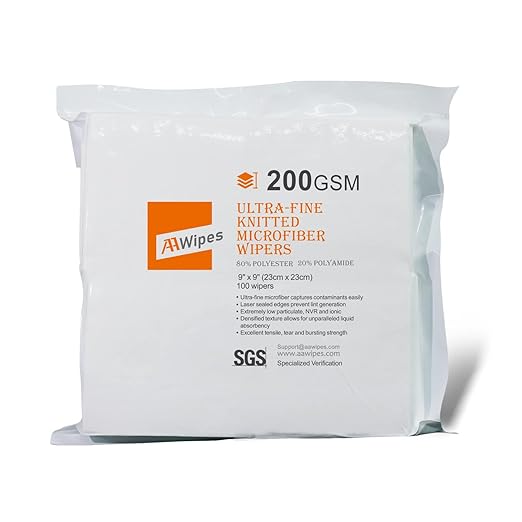
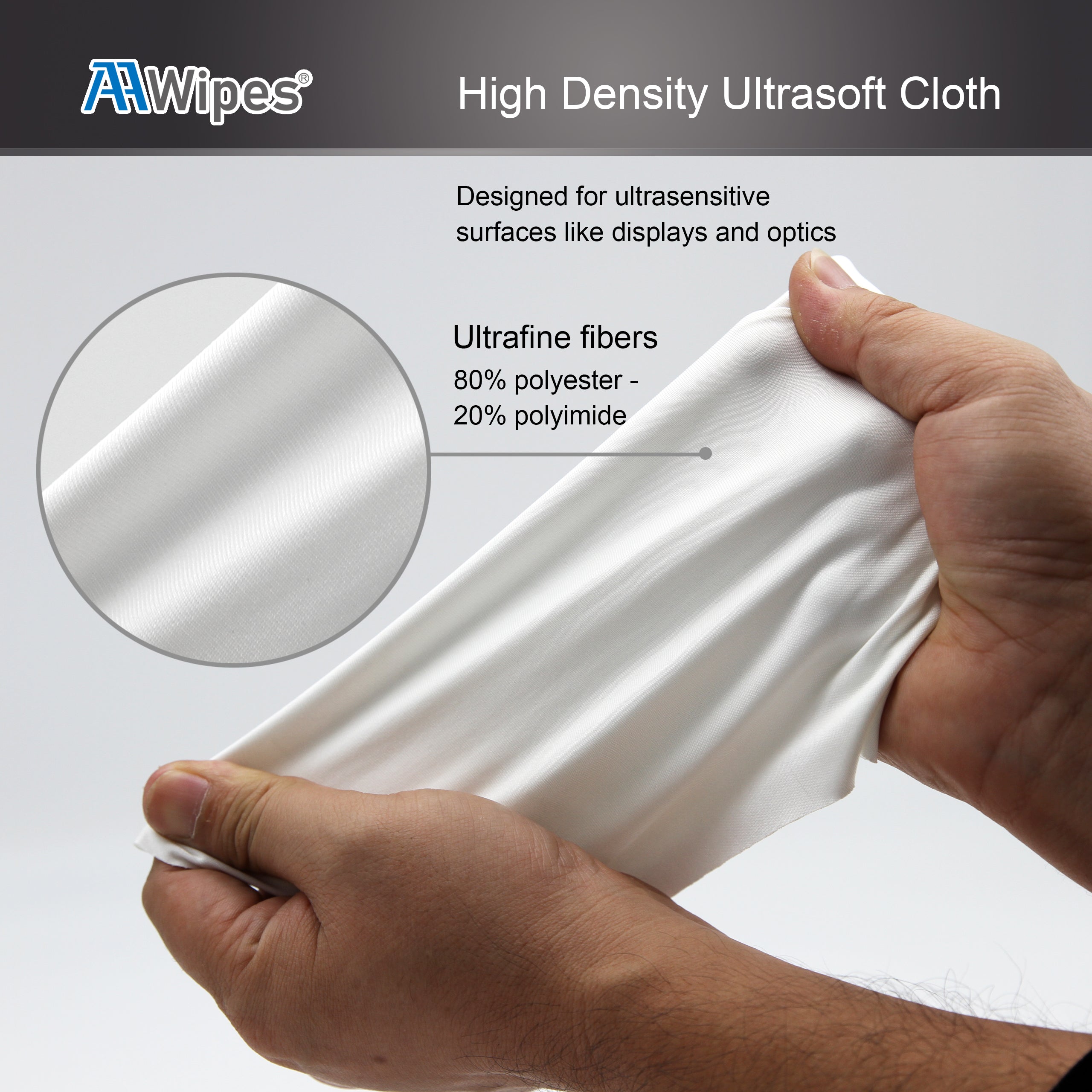
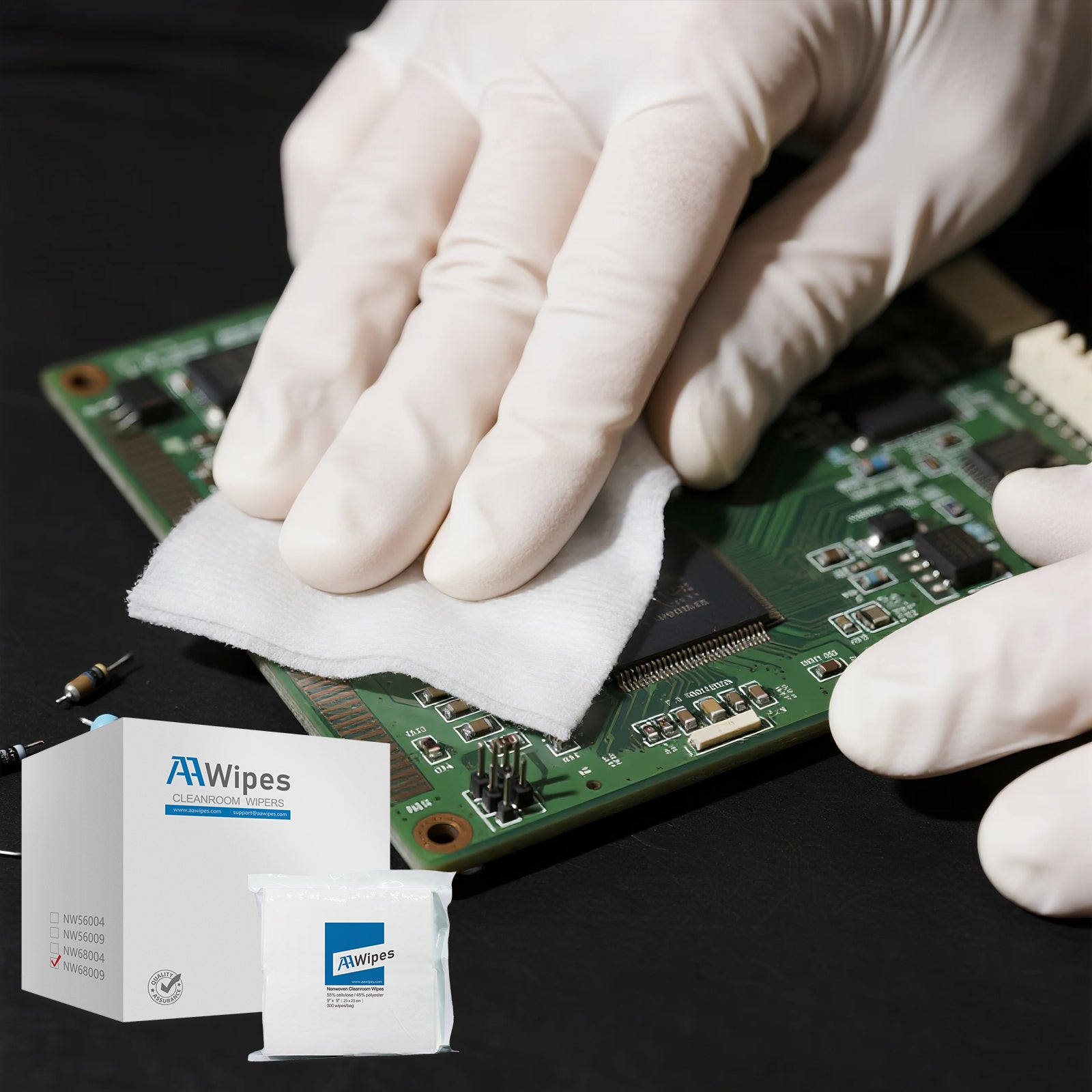
AAWipes Cleanroom Microfiber Wipes are engineered for the precision cleaning of printed circuit boards (PCBs), microelectronics, and surface mount technology (SMT) equipment. Made for ISO Class 5–7 cleanrooms, these low-lint, high-absorbency wipes effectively remove solder paste, flux residues, and fine particulates without leaving fibers behind. They’re ideal for electronics manufacturing environments where contamination control is essential.
ESD-Safe Wipes for Static-Sensitive Applications
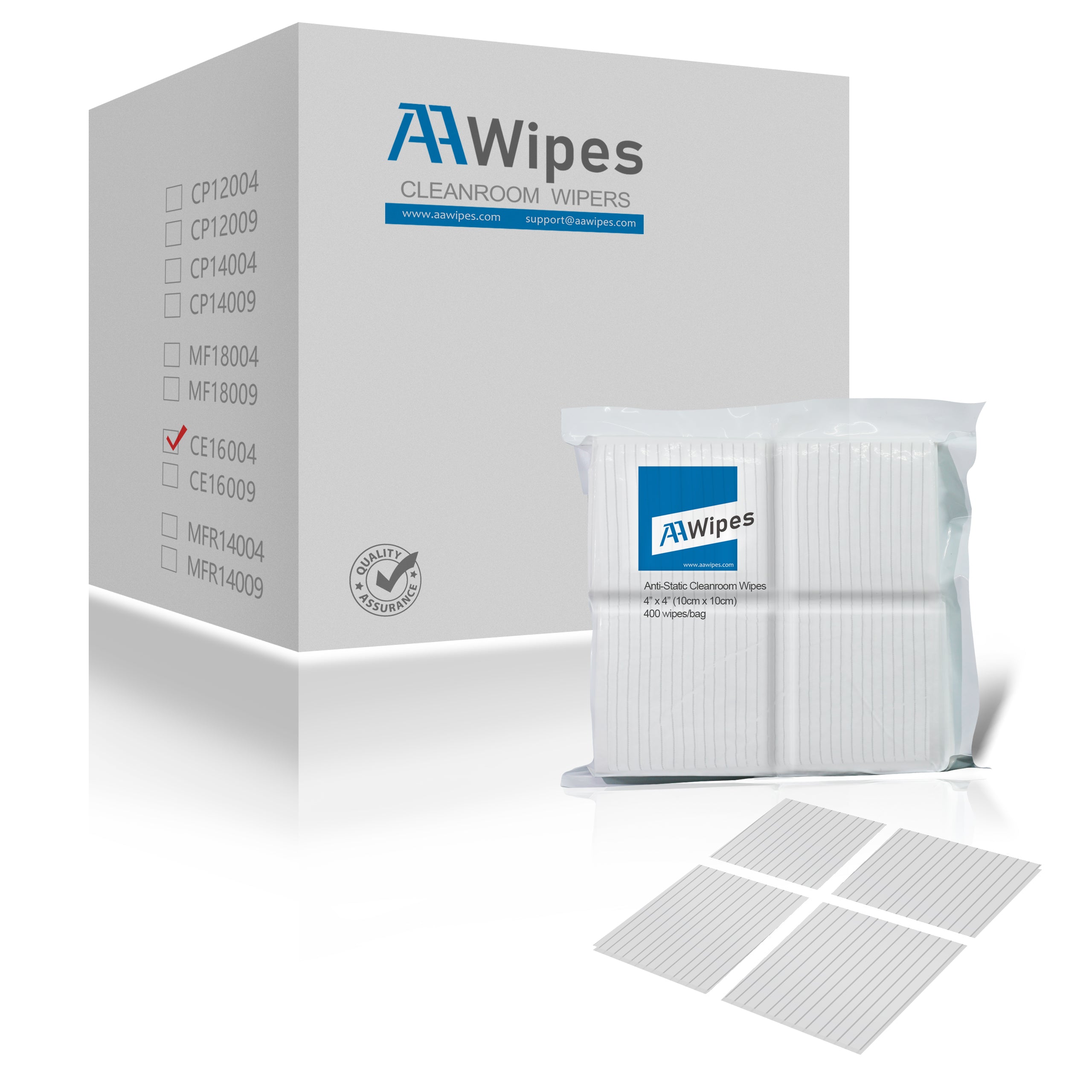
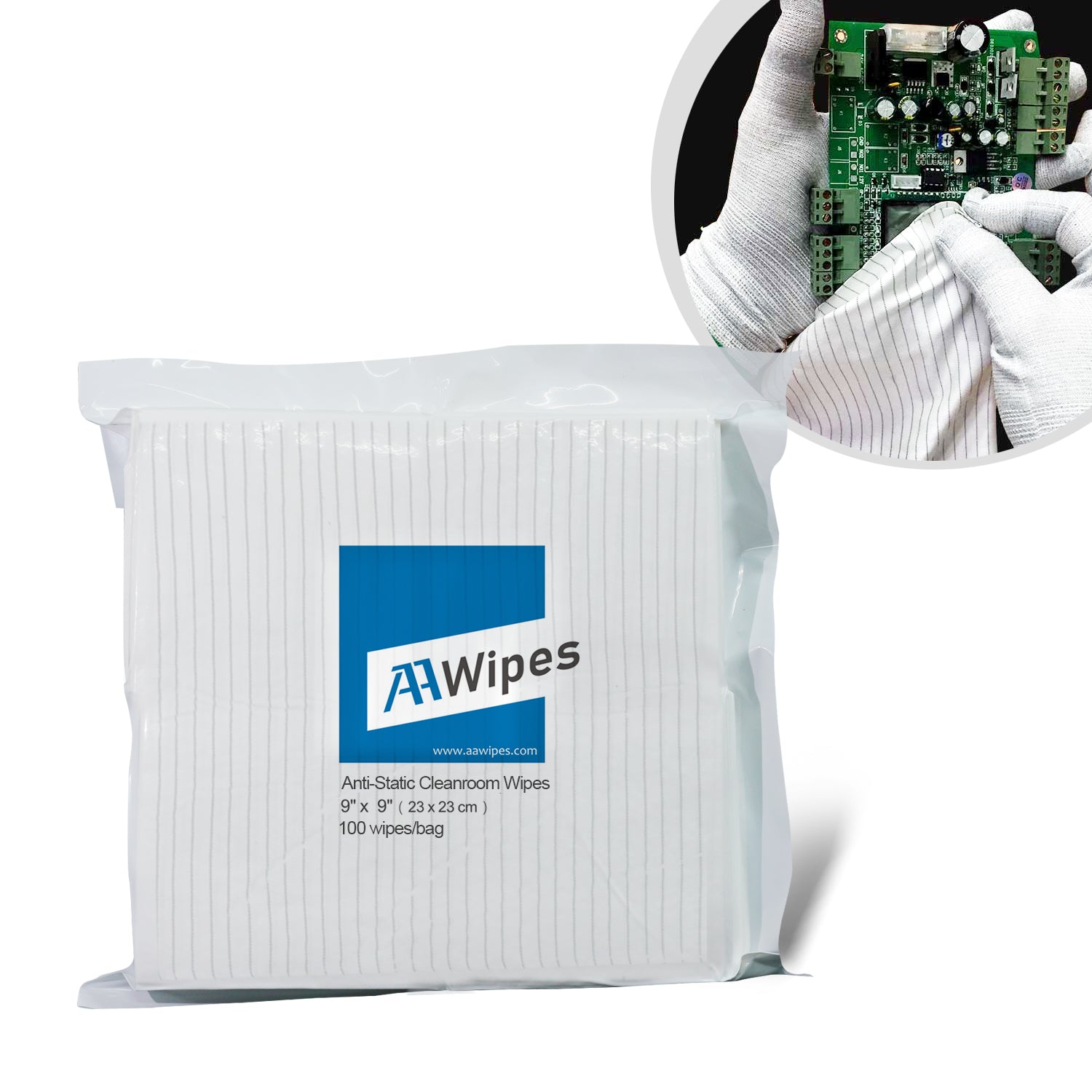
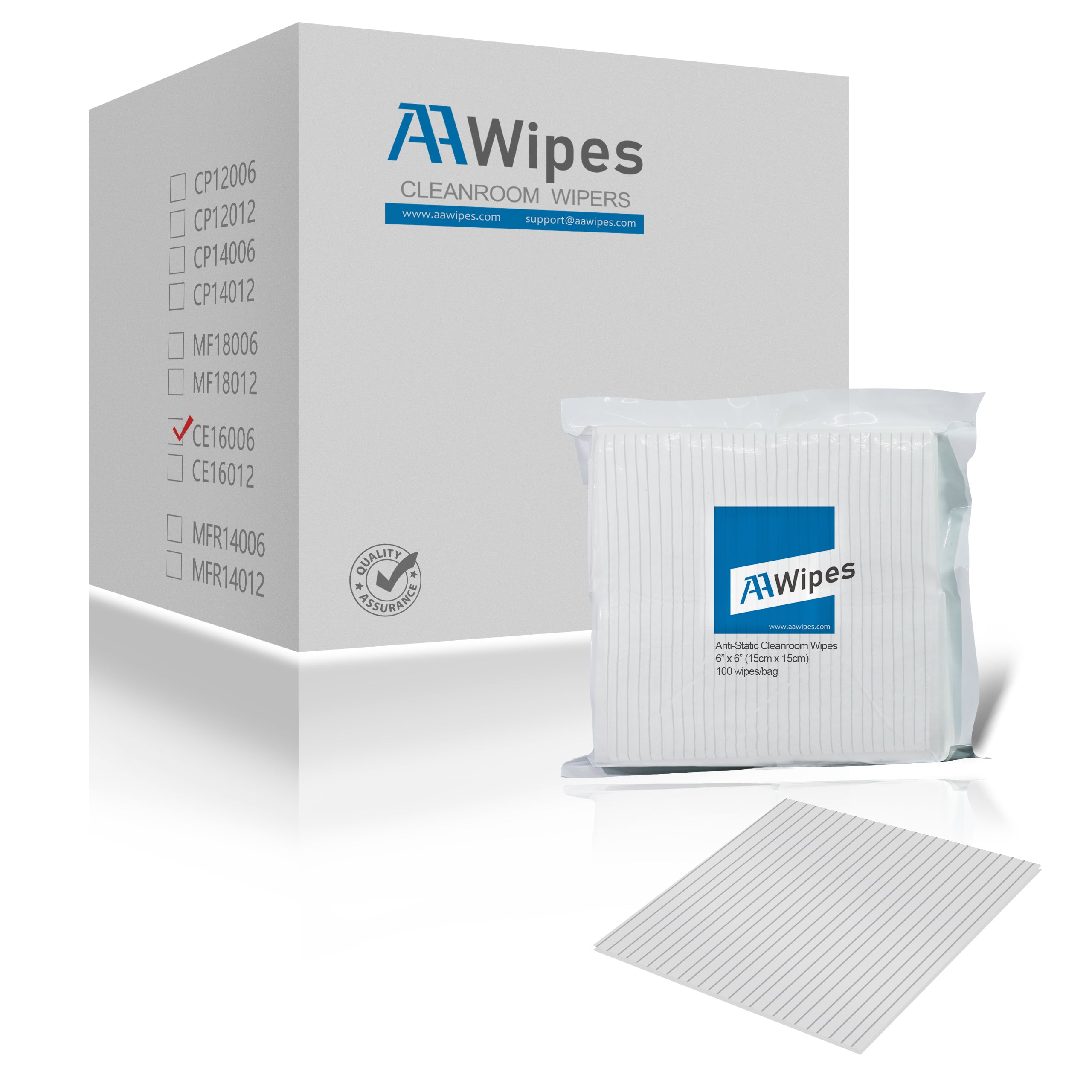
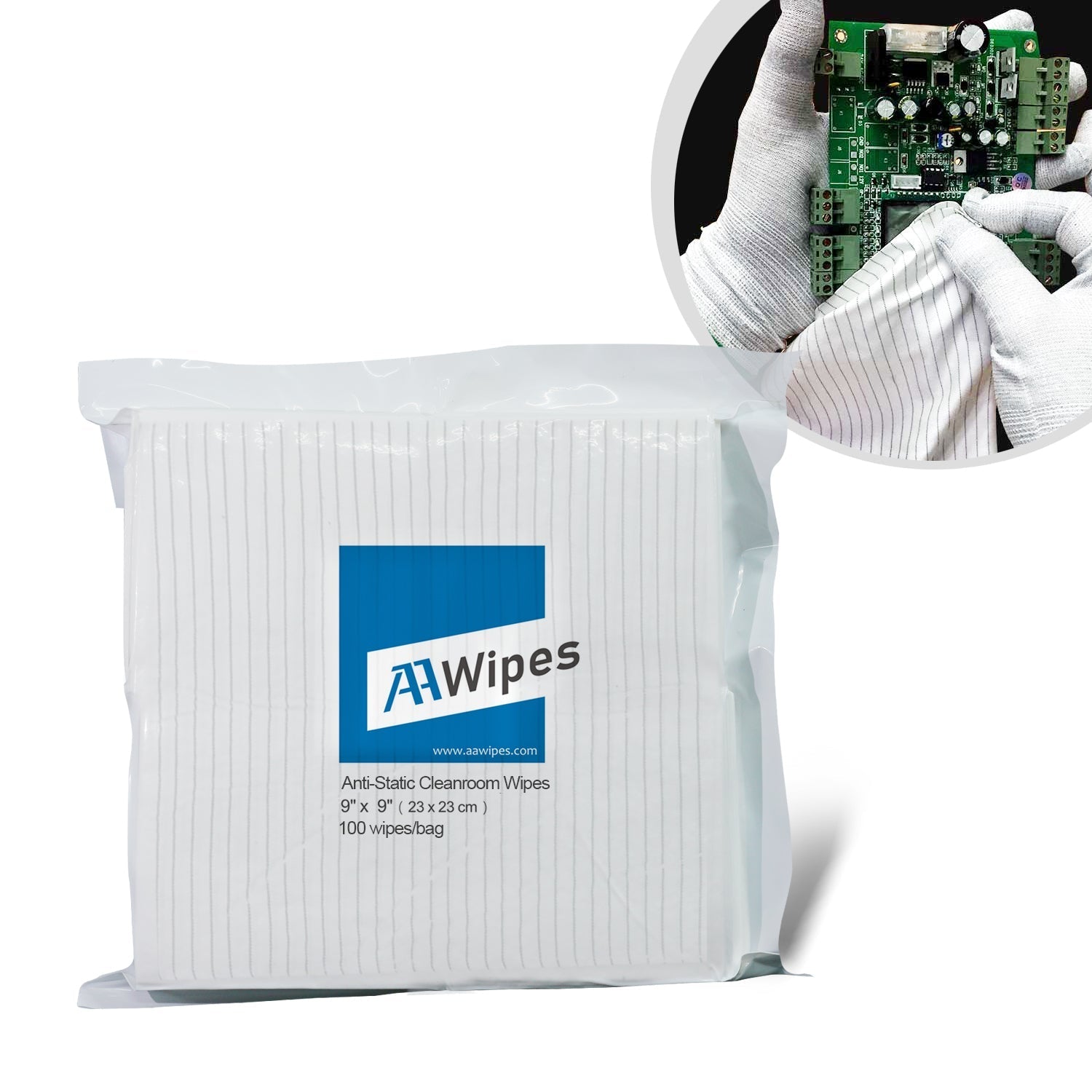
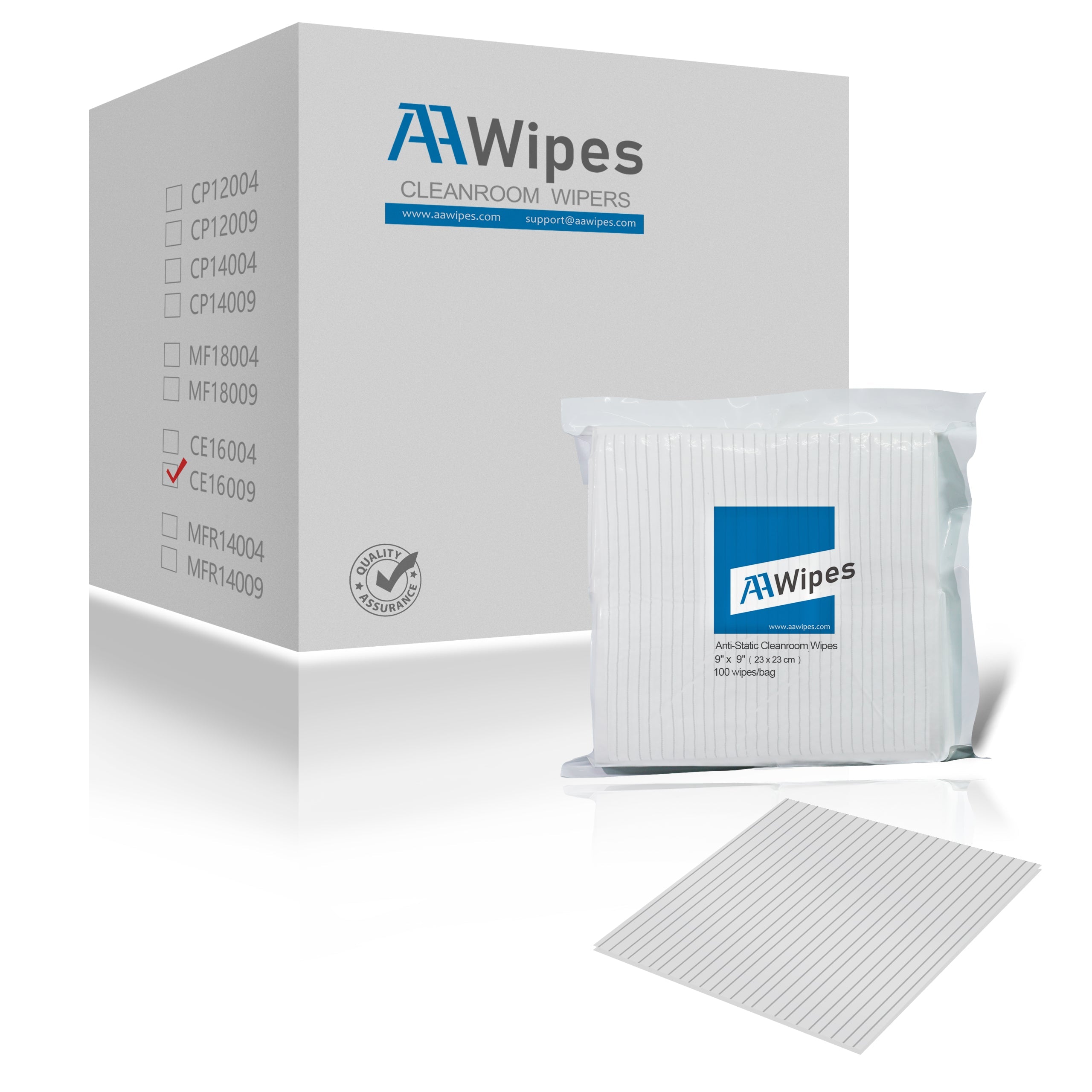
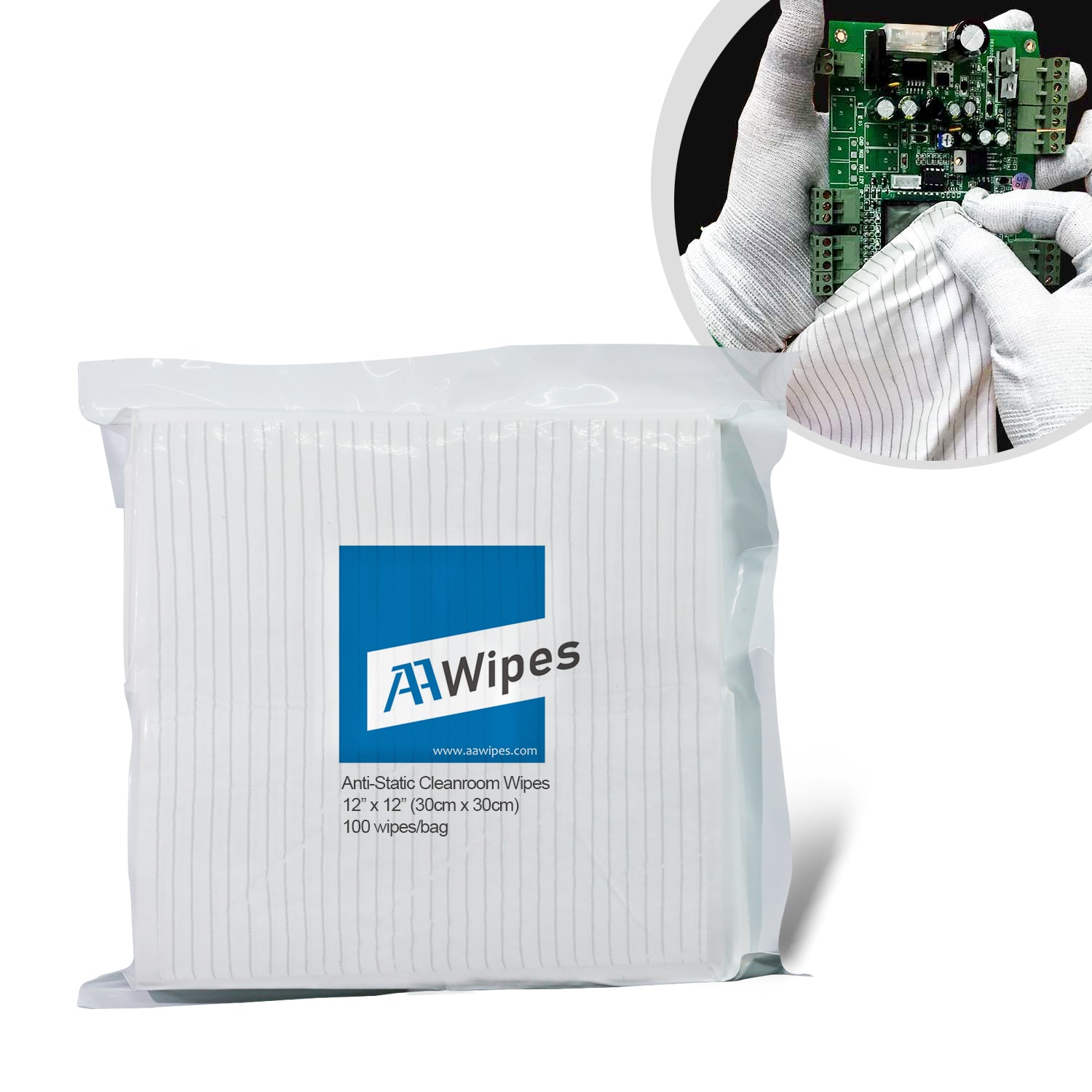
In environments where electrostatic discharge can damage sensitive components, AAWipes ESD-safe cleanroom wipes offer dual protection: particle removal and static control. These low-particulate, lint-free wipes are perfect for wiping down workbenches, tools, and delicate devices in static-controlled areas. Use them during PCB assembly, component cleaning, or SMT equipment maintenance to reduce yield loss and improve safety.
Silicone Gel Swabs for Precision Cleaning
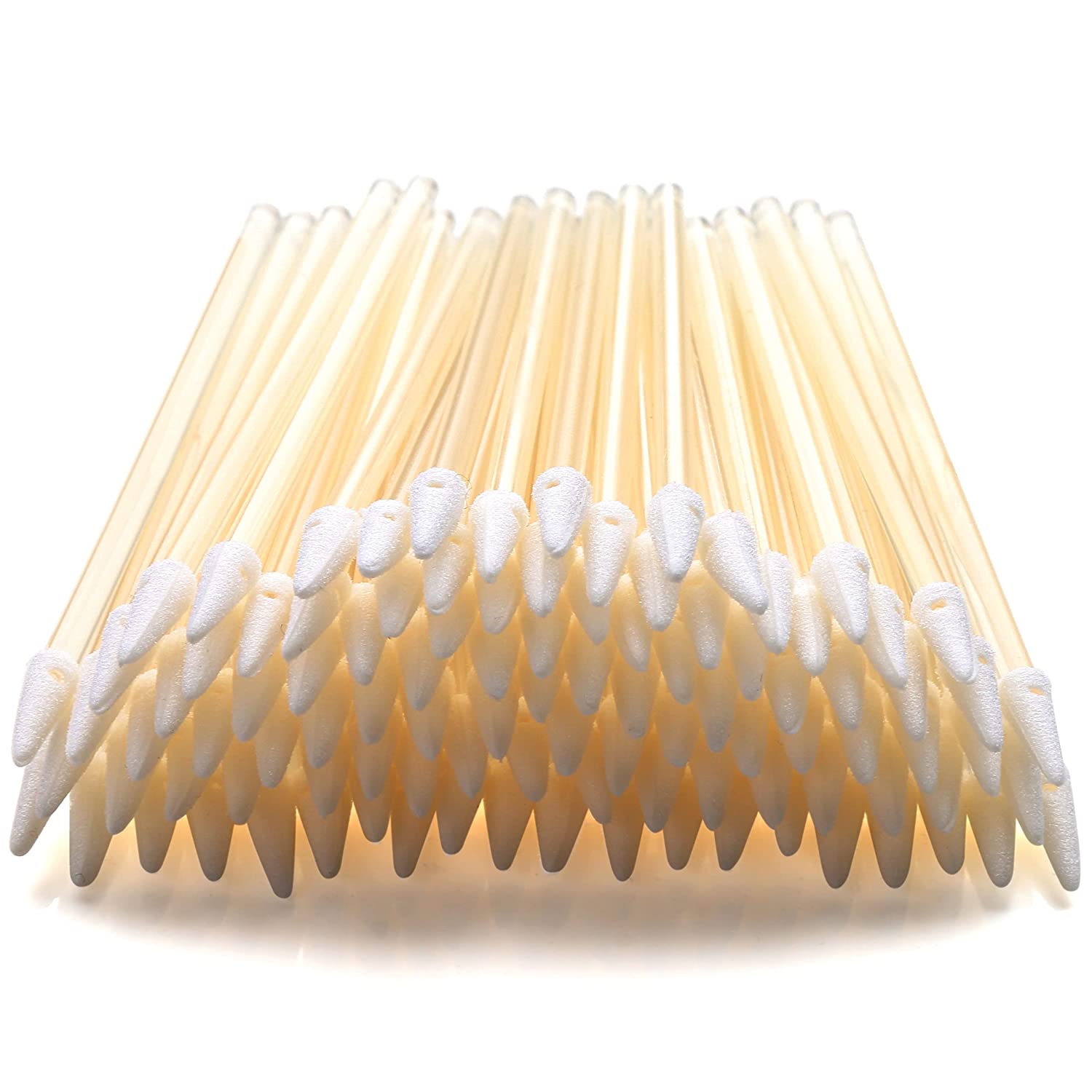
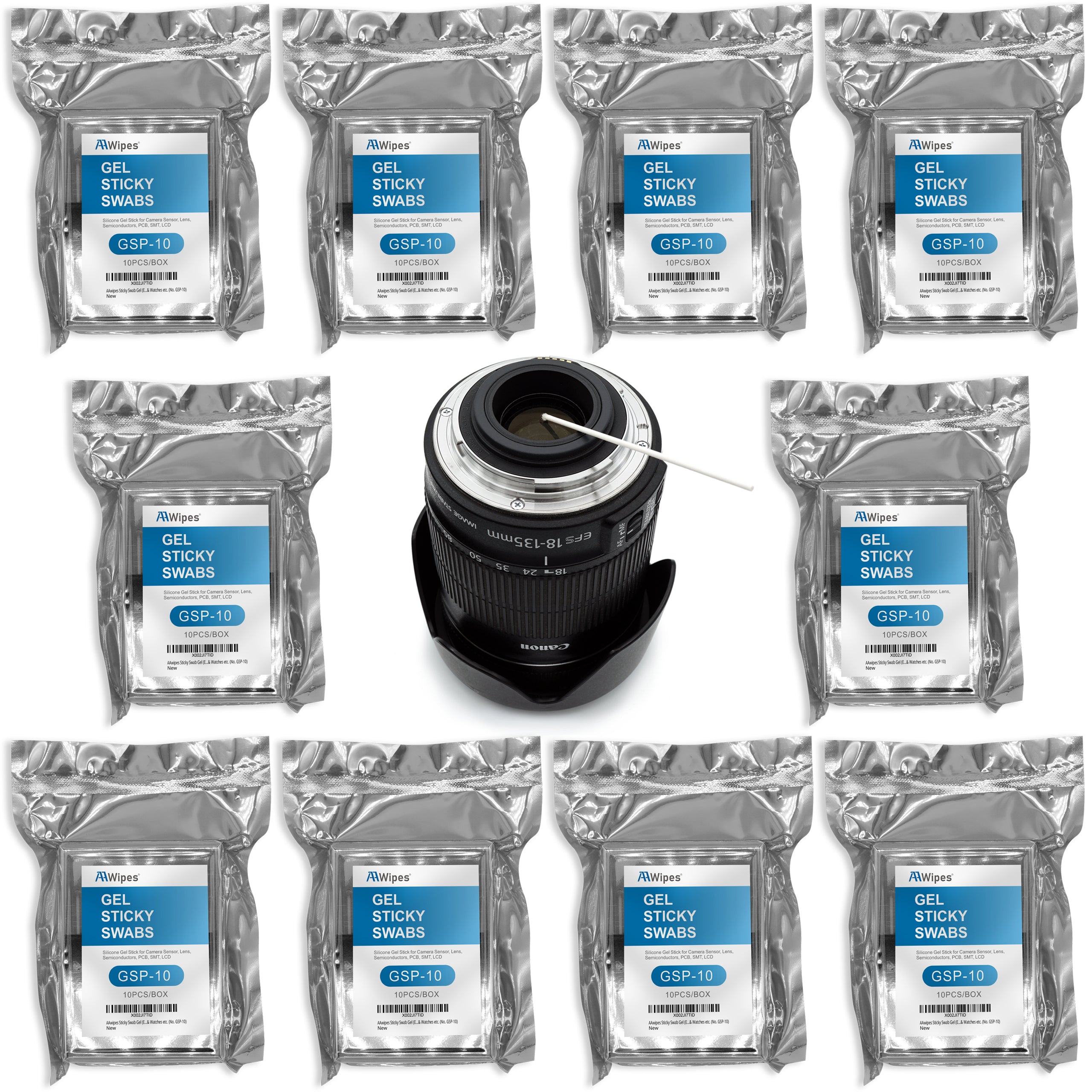
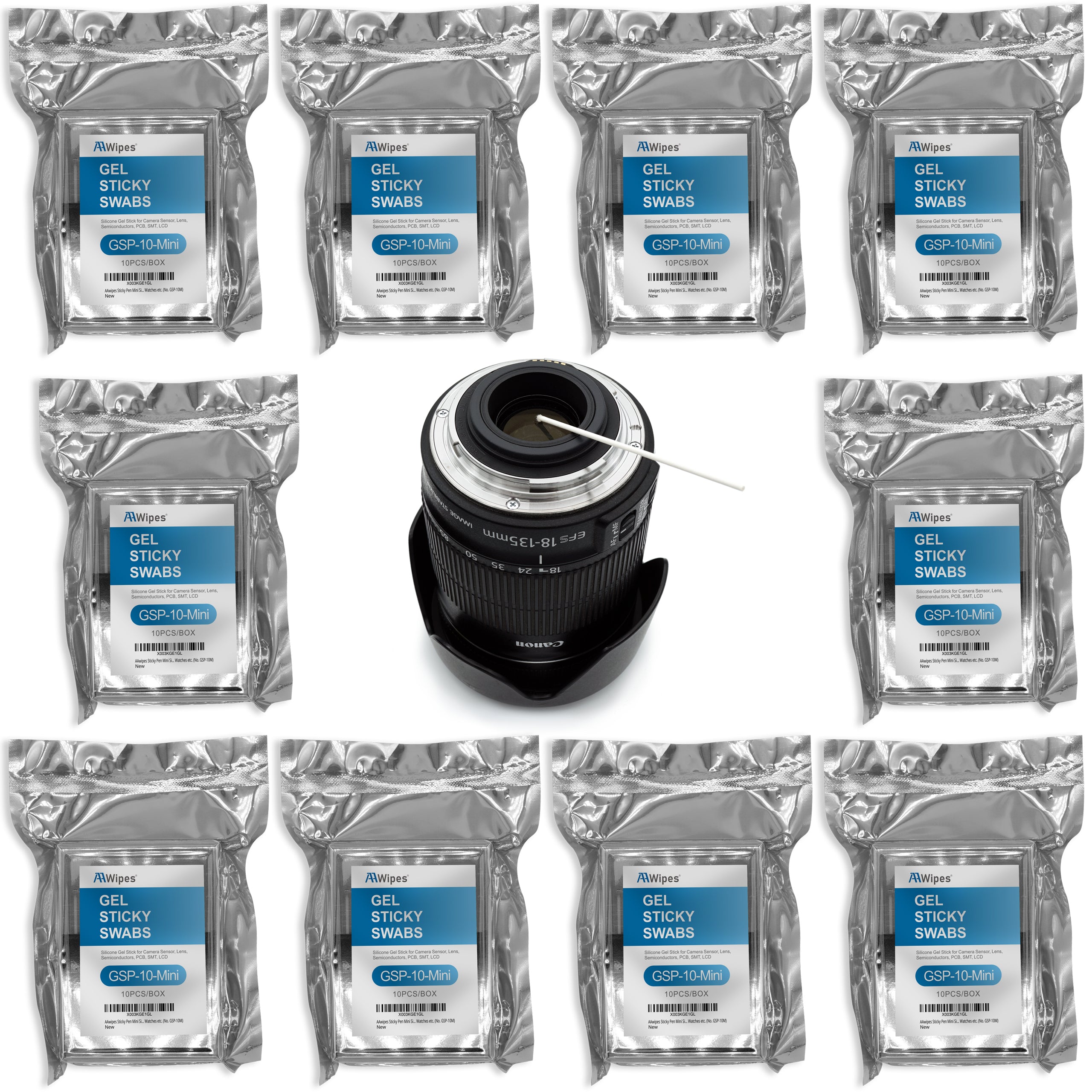
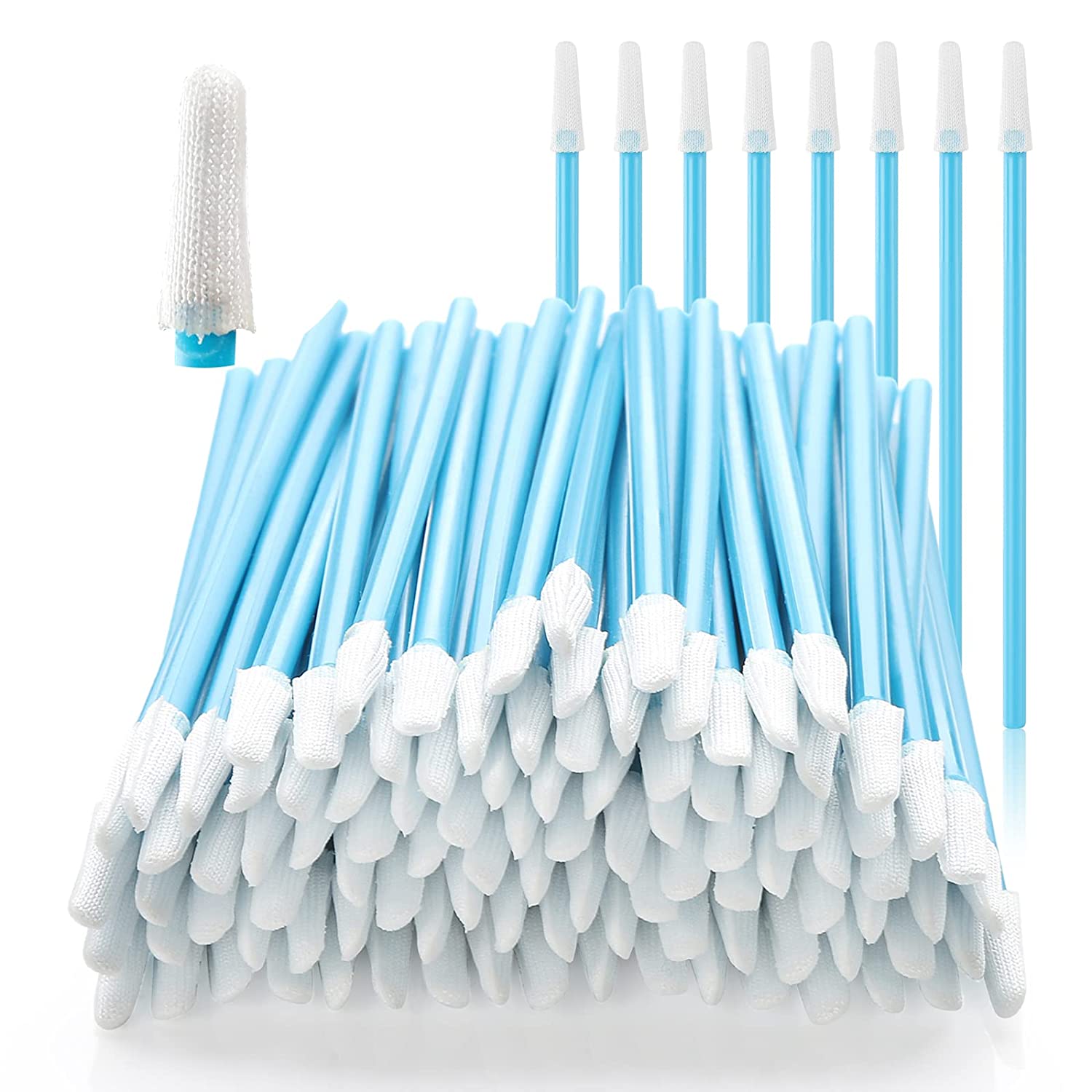
AAWipes Silicone Gel Swabs are designed for detailed cleaning in hard-to-reach areas of microelectronic devices and PCB assemblies. With gel-coated, non-abrasive tips, these swabs remove solder flux, dust, and fine debris without scratching surfaces. They are safe for use in ESD-sensitive zones, offering static-safe cleaning during device assembly or repair.
Cleanroom Sticky Mats for Electronics Manufacturing Zones
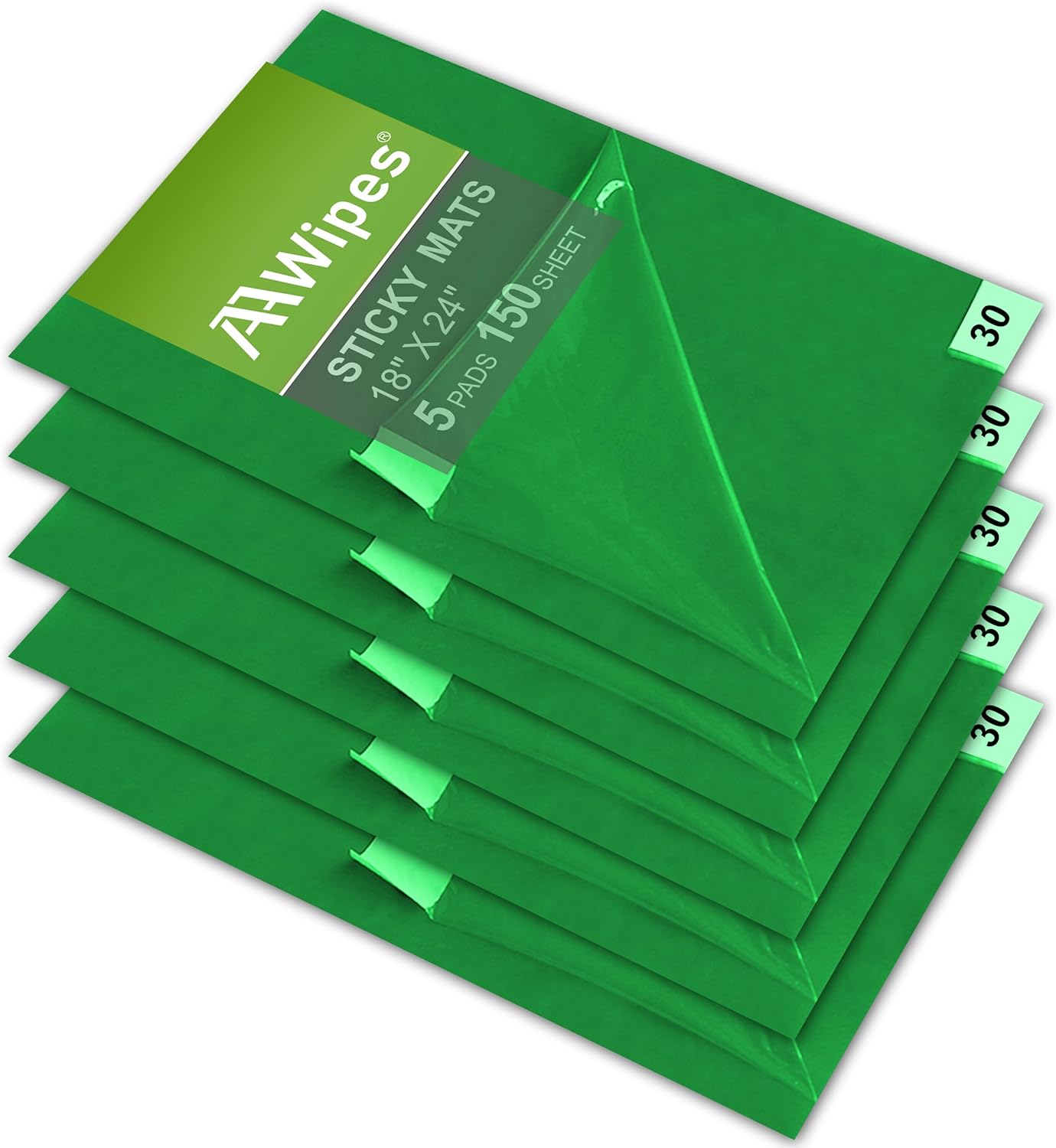
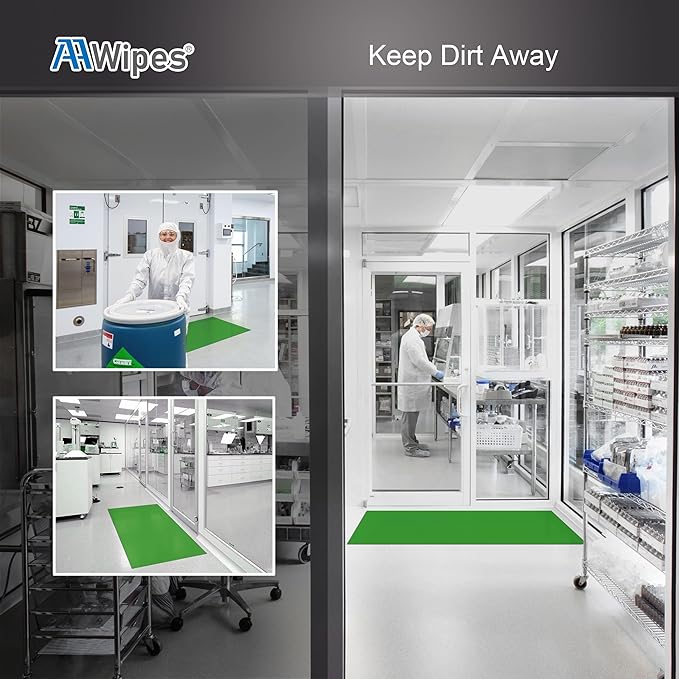
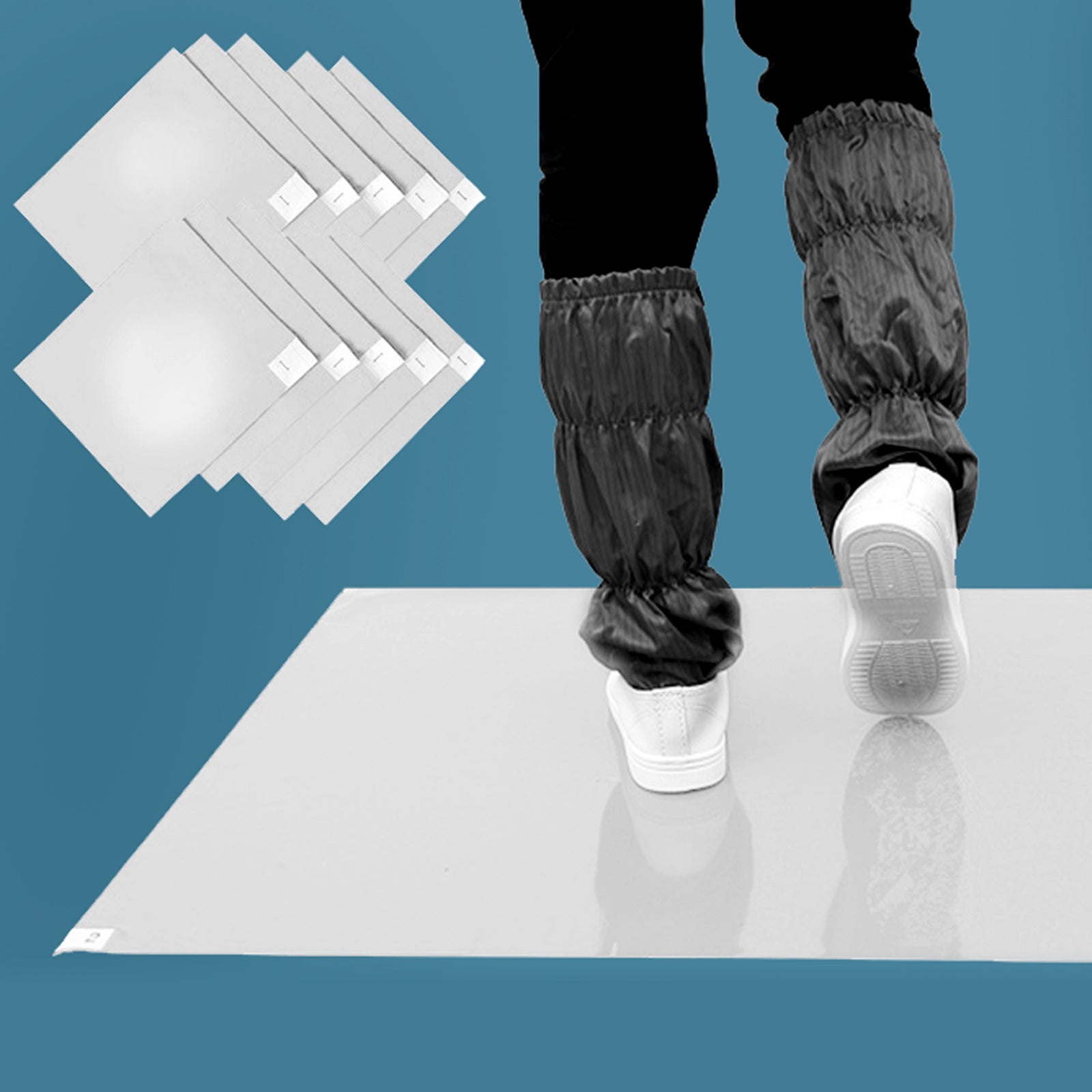
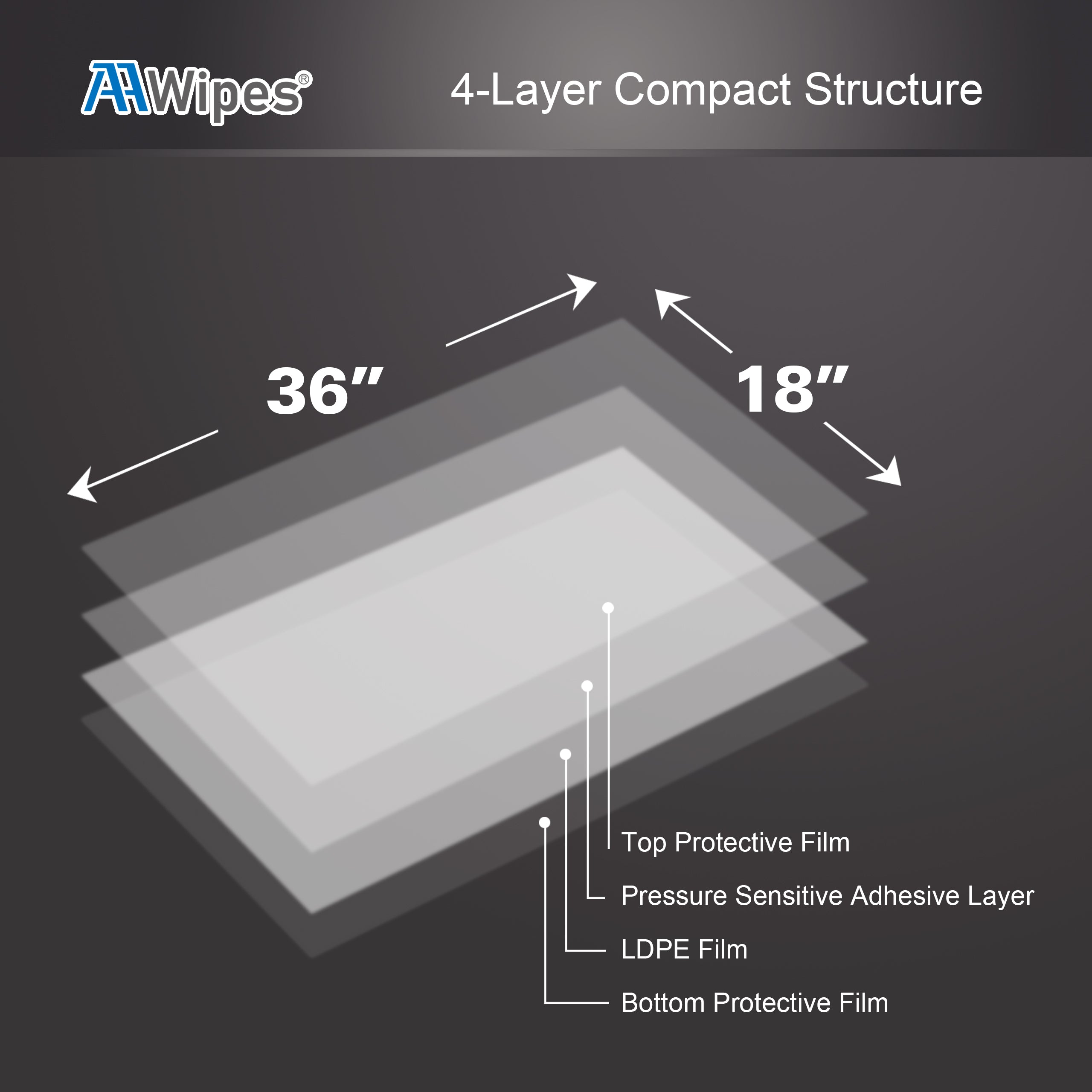
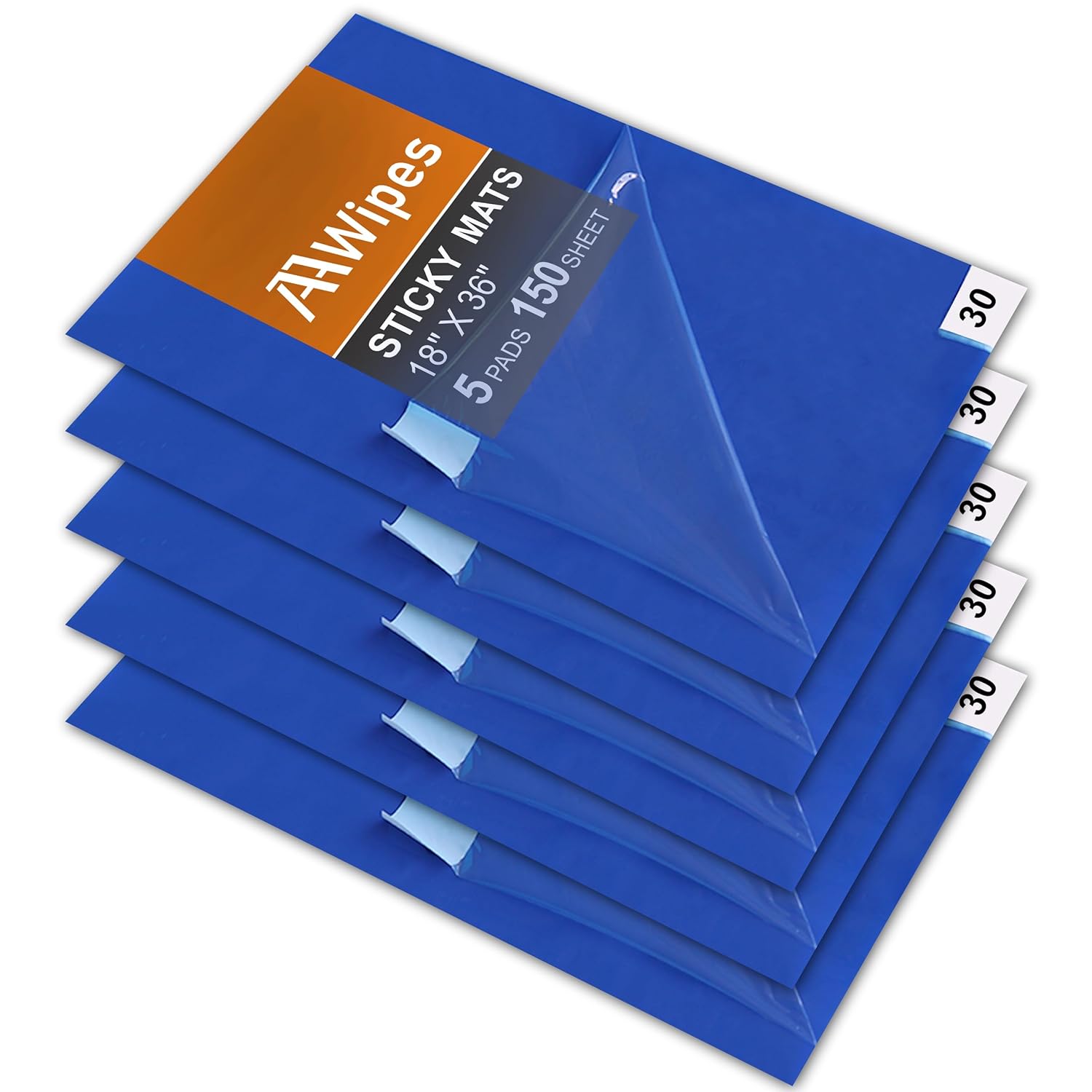
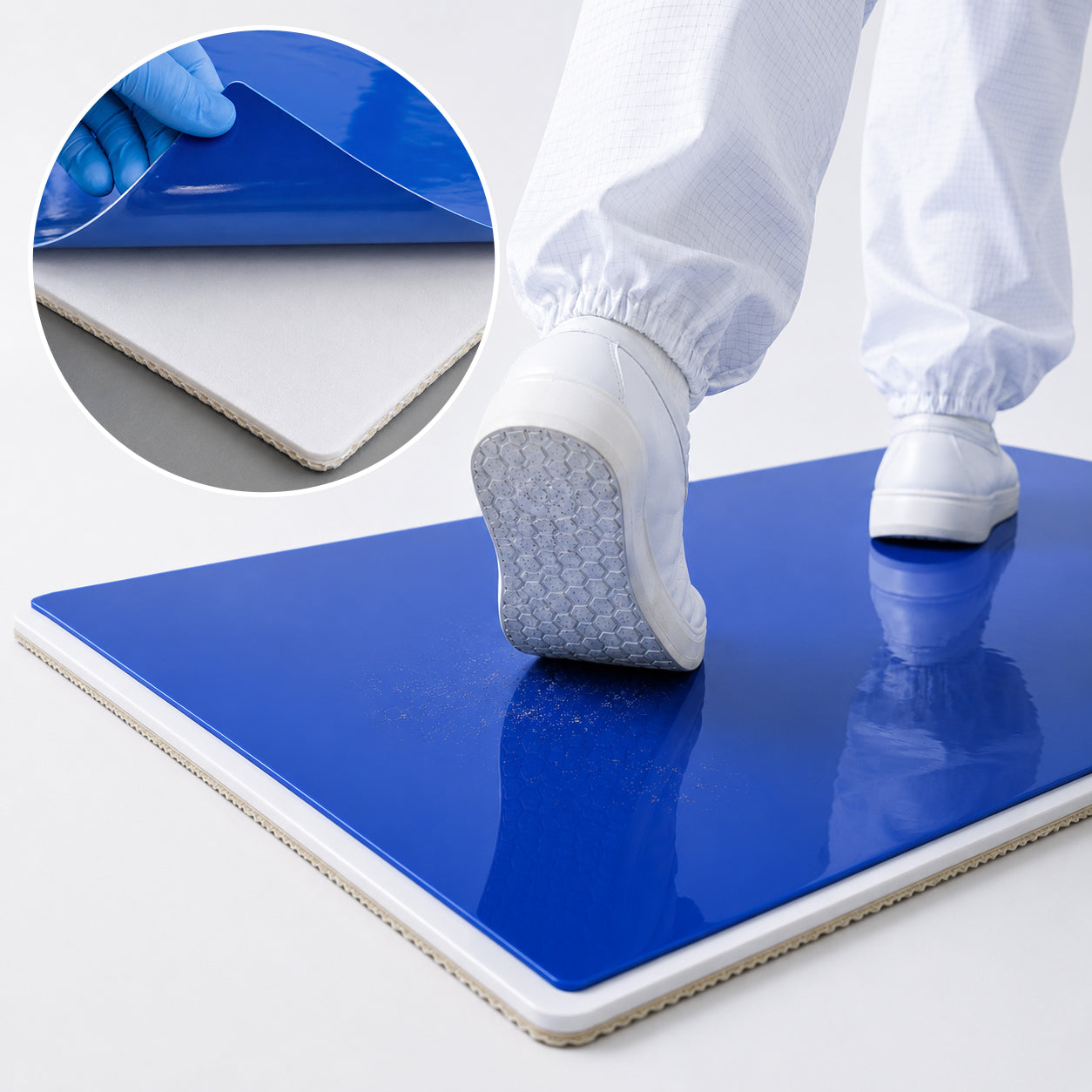
AAWipes Cleanroom Sticky Mats trap dirt and particles at entry points to ISO Class 5–7 cleanrooms, protecting sensitive electronics from contamination. Each mat features multiple adhesive layers that capture debris from shoes and carts before it enters PCB production or semiconductor assembly areas. Ideal for maintaining cleanliness in ESD-safe and static-controlled environments.
Why Choose AAWipes for Electronics & Semiconductor Facilities
Compatible with cleanroom environments from ISO Class 5 to 8
ESD-safe product line with documented surface resistance
Free samples available for compatibility testing
Bulk packaging and OEM/private labeling support
Trusted by SMT manufacturers, PCB assemblers, and cleanroom operators worldwide
Q1: What is the primary requirement when selecting wipes for wafer fabrication and precision tool cleaning?
A: The top priorities are ultra-low linting/fiber release and ultra-low extractables. Semiconductor environments require 100% continuous filament polyester knit wipes, preferably with laser-sealed edges, ensuring no microfibers, ions, or residues contaminate the wafer or tool surface.
Q2: Why are polyester knit wipes recommended for semiconductor cleanrooms over cellulose-based wipes?
A: Polyester knit wipes generate significantly fewer particles, have excellent chemical resistance, and offer minimal NVR (Non-Volatile Residue). Cellulose-based wipes may shed fibers and release extractables, which is unacceptable in Class 100 / ISO 5 semiconductor fabs.
Q3: Can cleanroom wipes be used with IPA or other solvents for lithography equipment cleaning?
A: Yes. High-purity polyester knit wipes are compatible with IPA, acetone, and high-purity solvents used in lithography, CMP, and etch processes. They maintain structural integrity and do not dissolve or release contaminants into the tool.
Q4: What wipe size is typically preferred in semiconductor fabs?
A: Common sizes include 9"x9" and 12"x12" for tool and chamber cleaning, and 4"x4" for wafer-edge or precision component wiping. Sizes may vary depending on process tools and operator preference.
Q5: Why is edge sealing important for wafer-fab wipes?
A: Edge sealing (laser or ultrasonic) prevents loose fibers, micro-particles, and fraying, ensuring high cleanliness and compliance with ISO Class 3–5 environments.